

Brighton is Melbourne’s second oldest and one of the most most affluent suburbs, attracting well-to-do residents since the 1840s.
You can tell who the true locals are in that they pronounce the name ‘Briiiighton’ in an exaggerated British accent.
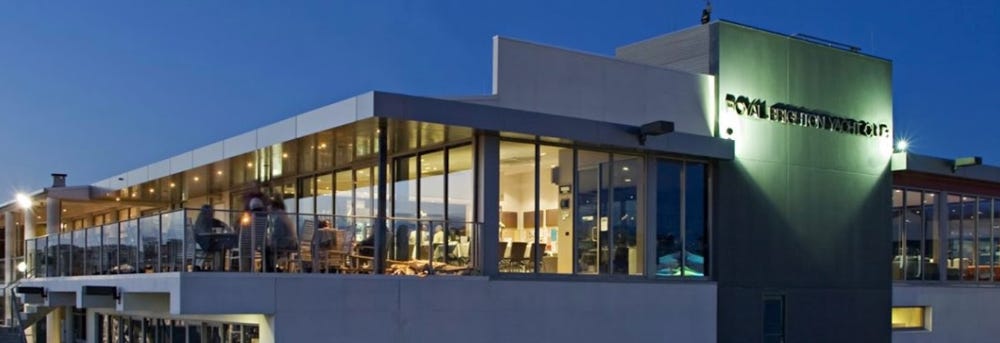
I should know, for the 3 years I lived in the bayside I spent every Friday morning at network meetings at the Royal Brighton Yacht Club.
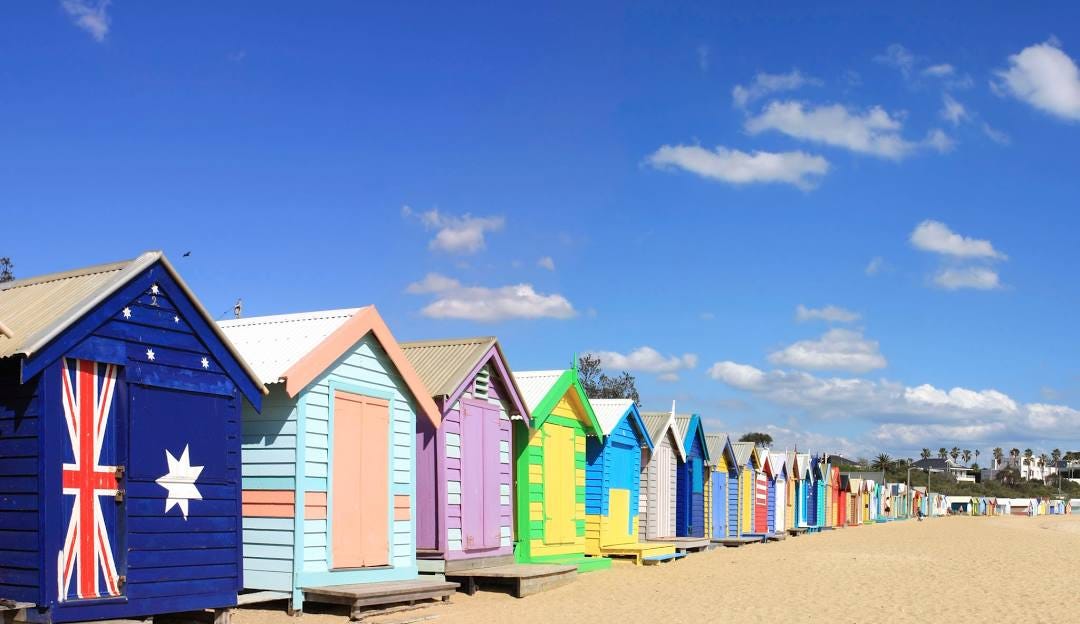
Apart from the beach, boats and snobbery, Brighton is also known for its famous ‘Beach Boxes’. On our latest long weekend of adventures in Port Phillip Bay my darling made mention that it would be cool to own one (you can see where this is going).
When I told her what it would likely cost to buy one of these little sand-shacks she accused me of exaggeration, when I searched and showed her the most recent bid-offer prices she nearly had a heart attack (yet did not apologise).
The Brighton Beach Boxes are among the most iconic and expensive pieces of real estate in Australia. These small, colourful huts lining the shores of Brighton Beach have a history dating back over a century. What started as simple bathing boxes for seaside convenience has transformed into a prestige asset, with prices reaching extraordinary heights.
But how did we get here? And why do these tiny structures command such a premium?
I thought it might be fun to see how these things have stood up as a possible exotic inflation hedge.
The Origins: A Colonial Luxury
The Brighton Bathing Boxes date back to the 1860s, a time when modesty rules dictated that bathers needed a private place to change before entering the water. Melbourne's elite, wanting to enjoy the beach while adhering to social decorum (long since departed) had these small wooden huts constructed.
As the years passed, the bathing boxes evolved from mere changing rooms to cherished beachfront retreats. By the early 20th century, their numbers had swelled, with over 100 boxes dotting Brighton's shoreline by the 1930s.
However, the Great Depression and damaging storms took their toll, reducing their numbers significantly and in 1934, the surviving boxes were relocated to their current home on Dendy Street Beach, where they have remained ever since. Today, 82 of these colourful structures stand proudly along the beach, each one a unique expression of its owner's personality.
For much of the 20th century, these boxes were seen as charming but outdated relics. It wasn’t until the late 20th and early 21st centuries that their value began to surge.
Beachside Quirks to Luxury Flexes Investments
For years, the boxes were actually relatively affordable, selling for just a few thousand dollars in the 1980s. However, as Brighton itself became one of Melbourne’s most sought-after suburbs, the boxes followed suit. Limited supply and growing demand turned them into prestige assets rather than simple storage or changing rooms.
By the early 2000s, prices had climbed into six figures, with sales regularly exceeding $100,000. Today, the most sought-after boxes can sell for over $400,000–$500,000 despite the fact that they cannot be used for commerce, residence or even legally occupied overnight (Source: Domain.com.au).
For context on this crazy price-surge, let's take a look at their sales price evolution:
1990s: Approximately $60,000
Early 2000s: Around $100,000-$150,000
2011: A record-breaking sale at $260,000
2019: Another record set at $340,000
2023: $450,000
In summary: approx. 8.72% CAGR.
Why the Boom?
Several factors have driven this price explosion:
Exclusivity: There are only 82 boxes, and ownership is restricted—buyers must already own property in the local council area.
Status Symbol: These boxes are seen as a statement of wealth, akin to high-end cars or watches.
Tourism & Social Media Influence: The Brighton Beach Boxes have become a social media phenomenon, attracting tourists from around the world who see them as quintessential Melbourne icons.
Real Estate Ripple Effect: As Brighton property values have risen, so too have the boxes. With waterfront properties in the area now selling for $10 million or more, the relative cost of a beach box has followed broader market trends.
Future Speculation
While it might seem outrageous that a wooden box with no electricity or plumbing can cost half a million dollars, the trend shows no signs of reversing. As long as Brighton remains an elite suburb and ownership remains tightly controlled, these beach boxes will likely continue appreciating, although I shall not be participating.
There have been occasional discussions about whether the boxes should remain public property or if their sale prices have become an absurd distortion of Melbourne’s property market. Yet for now, they remain highly sought-after symbols of both nostalgia and wealth.
So, whether you see them as overpriced sheds or charming coastal landmarks, there’s no denying their recognition-factor.
Benjamin.
Disclaimer: This publication is intended solely for documenting my personal journey with trading and investments for income and travel purposes. I am not a certified financial advisor nor am I a financial professional and none of the content provided should be construed as investment advice. It is essential to conduct your own thorough research and consult a registered financial service provider for appropriate guidance. I cannot guarantee the accuracy or completeness of the information presented. Any actions taken based on the information shared in any of my work are done at your own risk and discretion.
Consider becoming a premium member. I’ll give you exclusive, full access to:
The ROI Club: Dedicated to the art of Return On Investment
My investment research and analysis.
The Maverick Life: How I Generate Location-Independent Income so you can live:
Where you want
When you want
With whom you want
Doing what you want
Become A Premium Member Of The ROI Club Today.